
Why Participation Strengthens Feasibility Studies
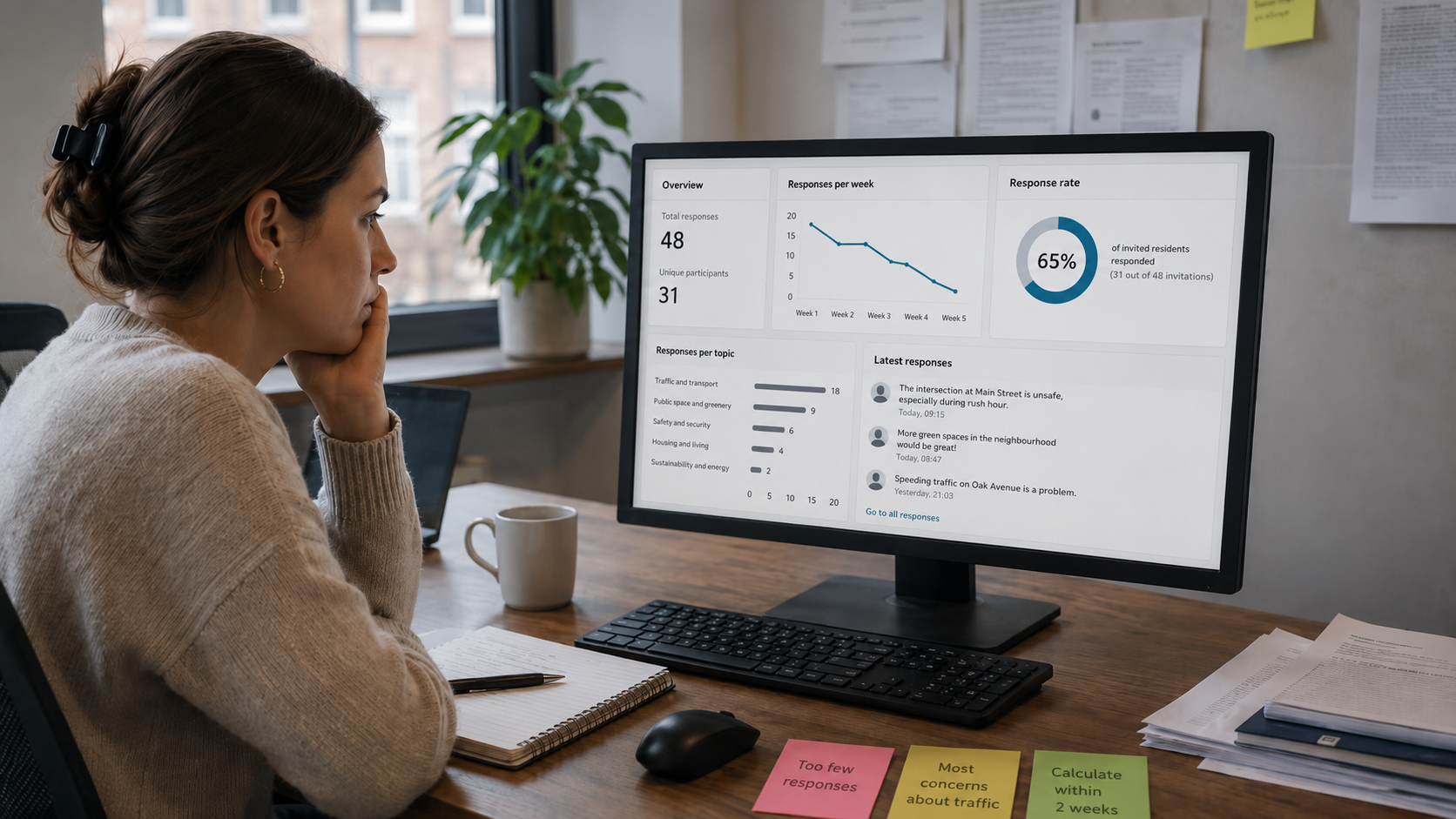
A project can be technically feasible, financially sound, and fully aligned with policy objectives. Yet many projects encounter challenges as soon as plans are presented to residents, businesses, or stakeholders. Why? Because numbers do not always tell the whole story.
A feasibility study shows what is possible, while participation reveals how people experience, use, and respond to those plans in practice. That is precisely where participation adds value during the feasibility phase.
Many organizations base feasibility studies on data, technical analyses, and policy frameworks. While these provide a strong foundation for decision-making, one important source of information is often missing: the people who will ultimately be affected by the project. As a result, valuable insights frequently emerge only after plans have already been developed. At that stage, adjustments can become more costly, time-consuming, and difficult to implement.
When Reality Looks Different Than the Data
Feasibility studies typically focus on factors such as technical requirements, costs, regulations, infrastructure, and spatial opportunities. Together, these elements help determine whether a project appears viable. In practice, however, residents and stakeholders often provide a completely different perspective.
They understand how an area functions on a daily basis. They know which intersections feel unsafe, where traffic congestion regularly occurs, and which public spaces play an important role within a community. This type of knowledge rarely appears in reports or datasets.
That is where the challenge begins. When participation only takes place after key decisions have already been made, these insights often arrive too late to significantly influence the outcome. The result can be delays, redesigns, additional research, or reduced stakeholder support.
Consider a district heating project. From a technical standpoint, the infrastructure may be available and the business case may look promising. At the same time, residents may have concerns about affordability, flexibility, or reliability. Although these concerns may not appear in technical models, they can strongly influence public acceptance.
The same applies to mobility projects. Traffic analyses may indicate that a particular route is the most efficient solution, while residents may point out long-standing safety concerns or traffic patterns that are not visible in the data. In other words, data helps determine what is possible, while participation helps determine what is practical, desirable, and likely to gain support.
Turning Assumptions into Better Decisions
Every feasibility study is built on assumptions about behavior, usage, support, and acceptance. The earlier these assumptions are tested, the stronger the final recommendations become.
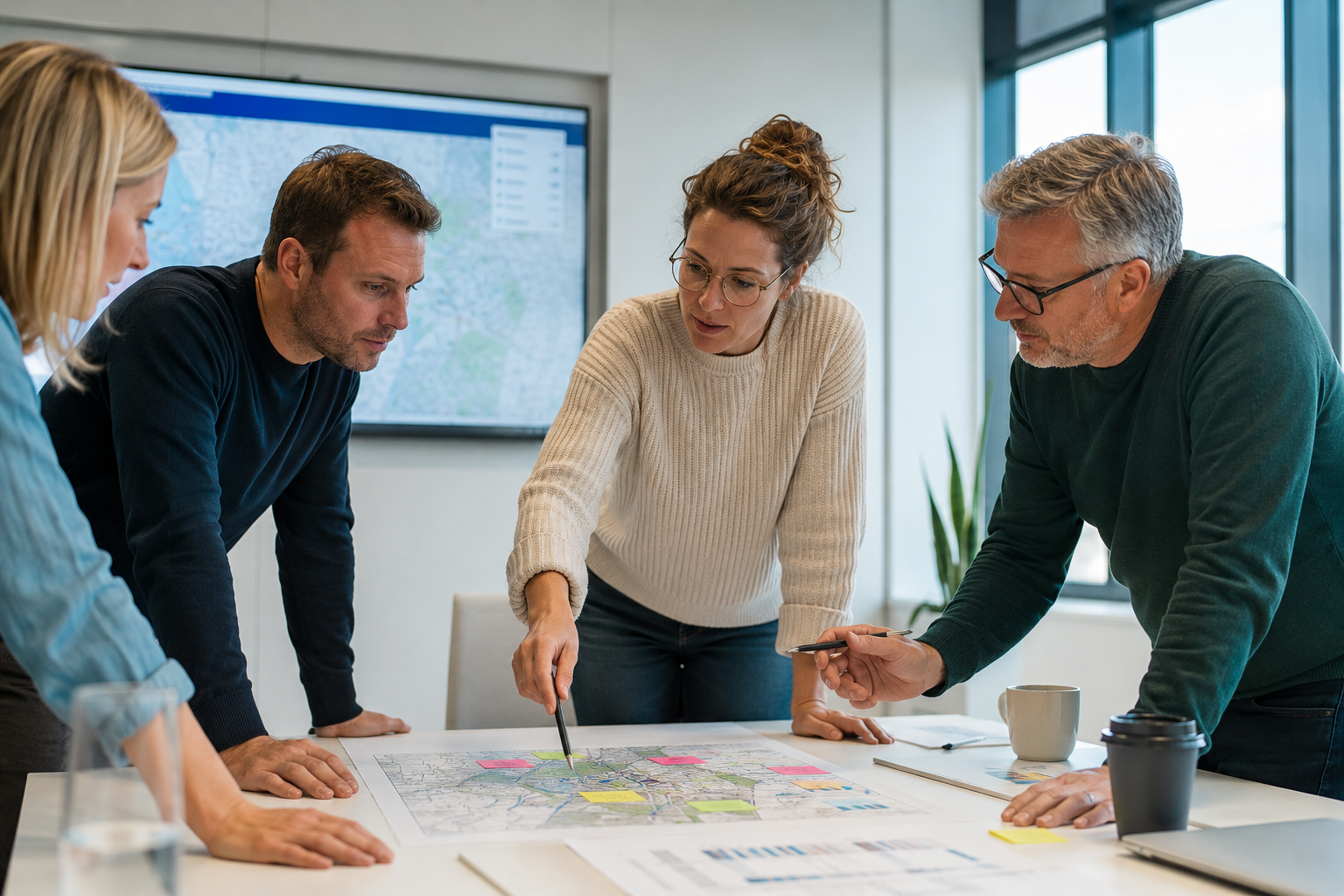
Participation allows organizations to validate plans before significant investments are made. By gathering feedback from residents, businesses, and stakeholders, project teams gain a more realistic understanding of how proposals will perform in practice. Participation can also uncover valuable local knowledge that would otherwise remain hidden.
For governments, consultants, and project teams, this can result in:
Fewer surprises later in the process
Better-informed policy and investment decisions
Greater understanding of opportunities and risks
Stronger stakeholder support
More balanced decision-making
It is no surprise that more organizations are involving stakeholders earlier in project development. Participation is increasingly viewed not simply as a communication exercise, but as a valuable source of information.
Not Only Technically Feasible, But Socially Viable
Successful projects require more than strong technical analyses and financial calculations. Ultimately, they need to fit the environment and communities they are designed to serve.
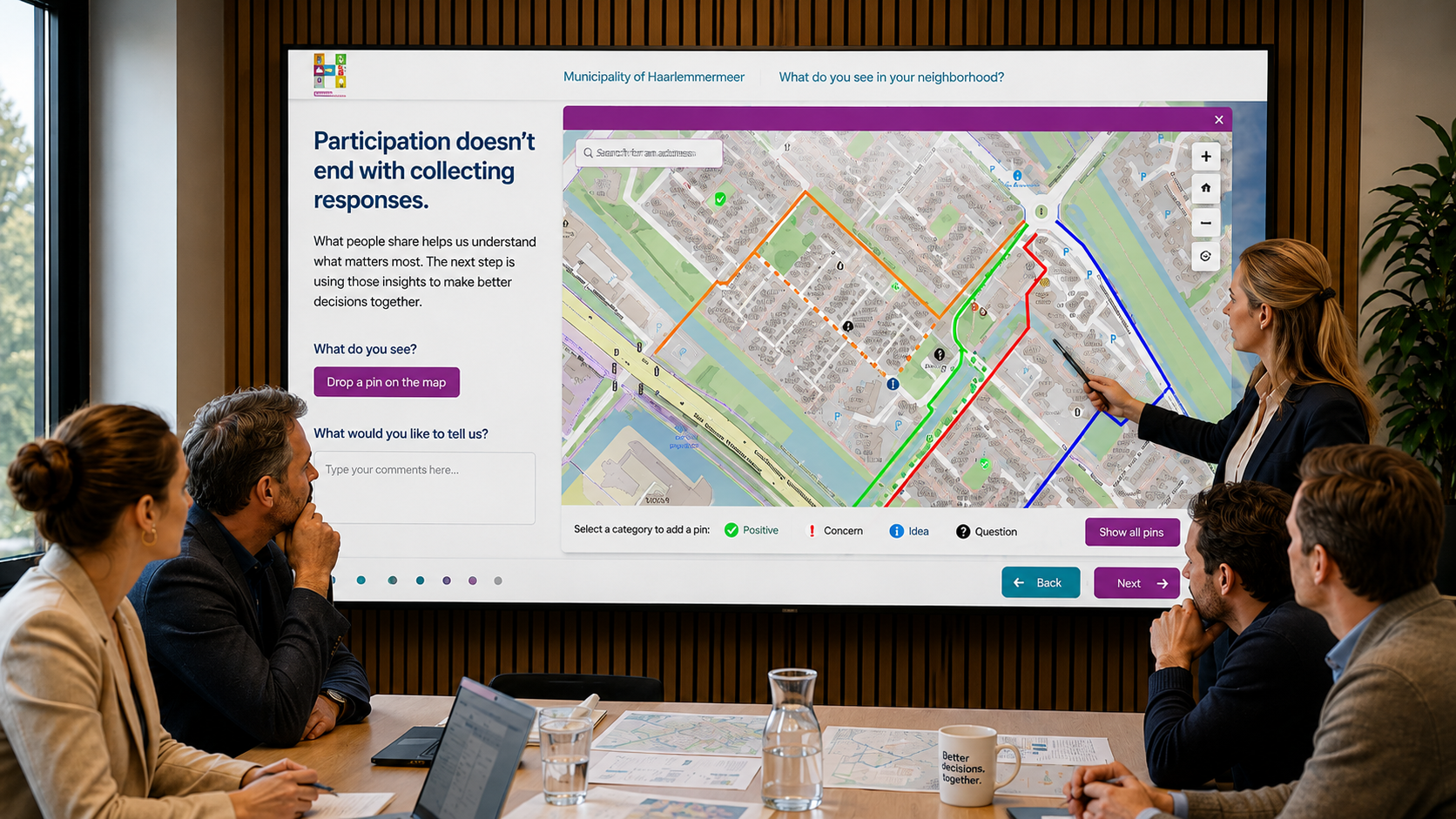
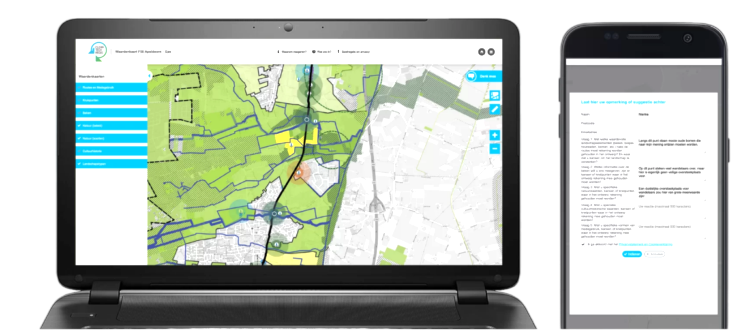
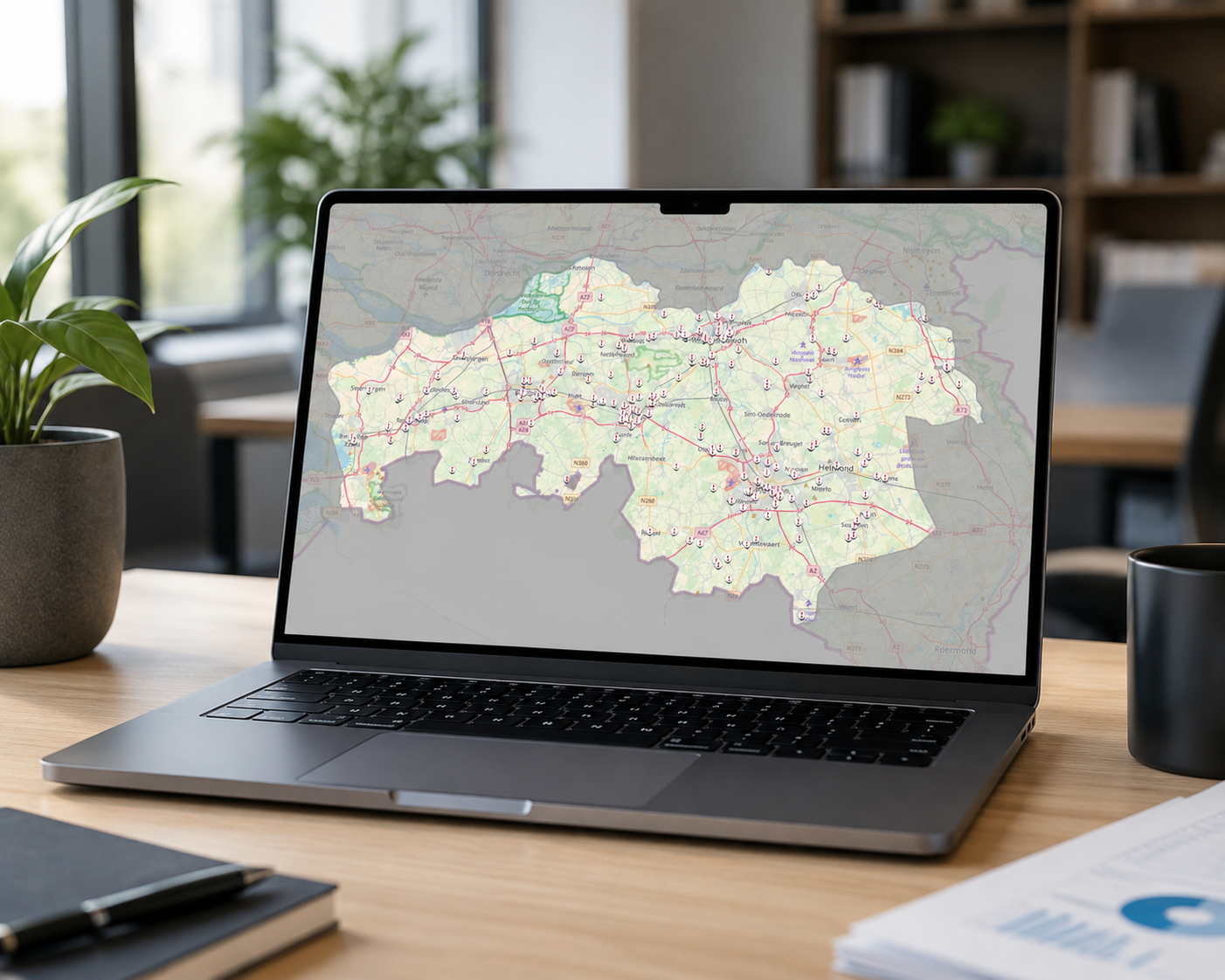
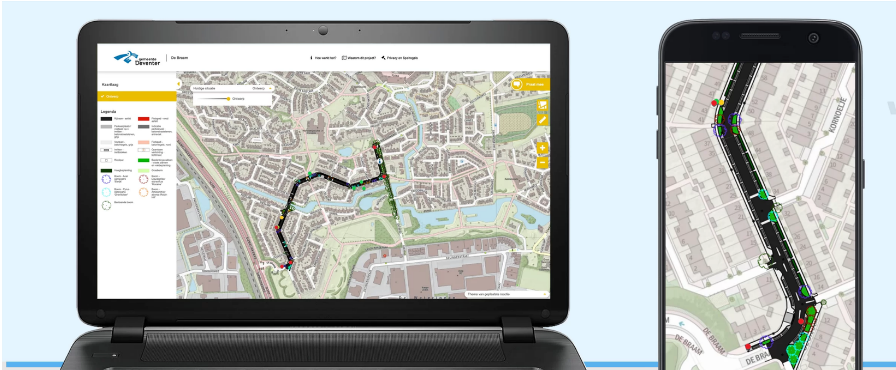
Fortunately, participation does not have to be complex or resource-intensive. Digital participation platforms make it easier to involve residents and stakeholders during the feasibility phase. Through interactive maps and location-based participation tools, participants can:
Identify local challenges
Suggest improvements for specific locations
Respond to proposed plans and scenarios
Share local knowledge and experiences
Highlight opportunities and potential risks
This information can then be incorporated into analyses, scenarios, and recommendations, giving organizations a more complete understanding of reality. They not only learn what is technically possible, but also what is socially acceptable, practically achievable, and likely to receive public support.
Ultimately, the strongest projects are not simply the ones that work on paper. They are the projects that combine technical feasibility with local knowledge, stakeholder engagement, and real-world insight.
By integrating participation into the feasibility phase, organizations can make better decisions, reduce uncertainty, and develop projects with a greater chance of long-term success.
Want Better Insights During Your Feasibility Studies?
MapTalk helps governments, consultants, and project teams collect location-based feedback, engage stakeholders early, and strengthen decision-making with valuable insights from the people who know an area best.
Discover how digital participation can help create stronger, more successful projects.