
What Is Citizen Participation and How Can You Use It Effectively?
Citizen participation means actively involving residents and other stakeholders in decisions about their living environment. This may include the redesign of a public square, the development of a residential area, new traffic measures or plans for climate adaptation and public green spaces.
Effective participation goes beyond simply informing people about a finished plan. It creates space for local knowledge, experiences, concerns and ideas. This helps project teams identify challenges earlier, explain decisions more clearly and develop plans that better reflect how an area is actually used.
Make the Level of Influence Clear From the Start
Not every participation process gives residents the same level of influence. In some projects, people are mainly informed about a decision. In others, they may provide advice, develop solutions together with professionals or help make the final choice.
The level of participation can generally be divided into four forms:
Informing: Residents receive clear information about the project and decision-making process.
Consulting: They can share opinions, experiences and concerns.
Co-creating: Residents and professionals work together on possible solutions.
Co-deciding: Participants influence the final decision within clearly defined boundaries.
The appropriate form depends on the project, its current phase and the amount of decision-making space available. These conditions should be communicated before participation begins. When residents expect to influence a decision but are only being consulted, disappointment and distrust can quickly arise.
Involve Residents Before the Plan Is Finalised
Citizen participation is most valuable when people are involved while meaningful choices are still open. When residents are invited only after a plan is almost complete, there is little opportunity to incorporate their ideas. Participation may then feel like a procedural requirement rather than a genuine part of the planning process.
A strong process starts with a clear and focused question. Does the project team want to identify locations that feel unsafe? Gather ideas for a public space? Understand how residents currently use an area? Or compare several proposed designs? The more specific the question, the easier it becomes for participants to provide relevant and useful feedback.
Closing the feedback loop is equally important. Participants should be told what was collected, which suggestions influenced the plan and why certain proposals could not be implemented. This demonstrates that every contribution was considered, even when not every request becomes part of the final decision.
Combine Online and In-Person Participation
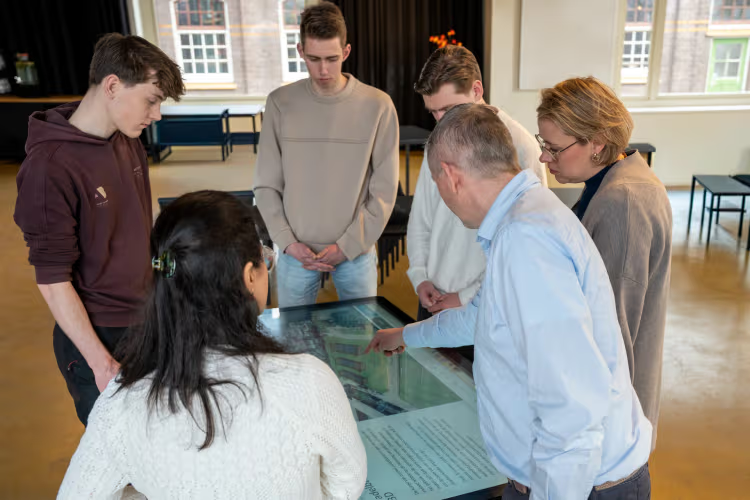
A single participation method rarely reaches everyone. Public meetings and workshops allow for conversation and detailed discussion, but they take place at a fixed time and location. This can make participation difficult for people with work, family, mobility or language-related constraints.
Online participation provides greater flexibility. Residents can review information, mark locations on a map, respond to proposals and share ideas at a time that suits them. It can also make it easier to gather input from people who are less likely to speak during a public meeting.
The strongest approach usually combines both formats. Online maps and questionnaires can be supported by neighbourhood walks, interviews, workshops and public meetings. Clear language, focused questions and an easy-to-use interface help lower the barrier to participation and encourage a broader range of people to contribute.
Make Participation Spatial and Structured With MapTalk
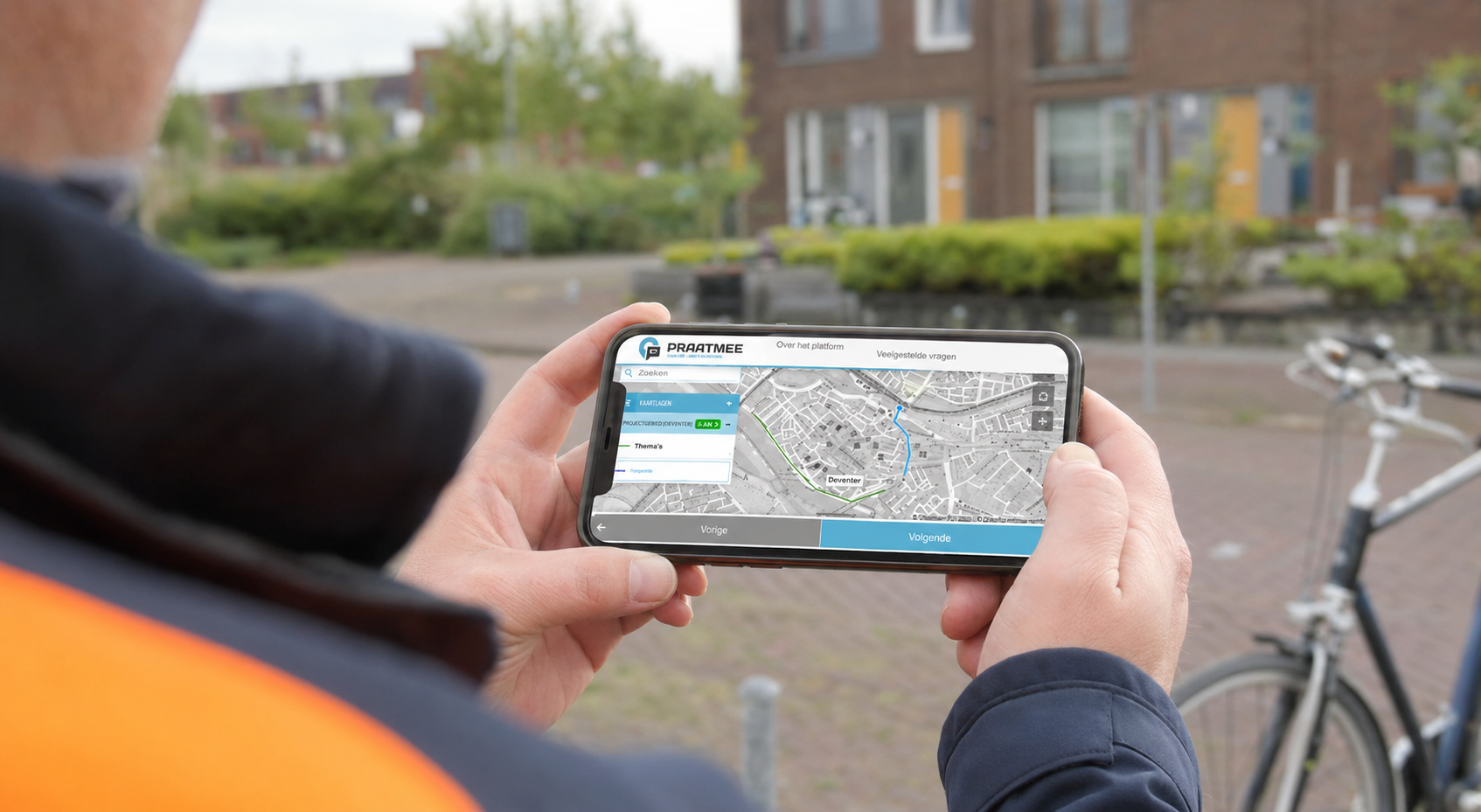
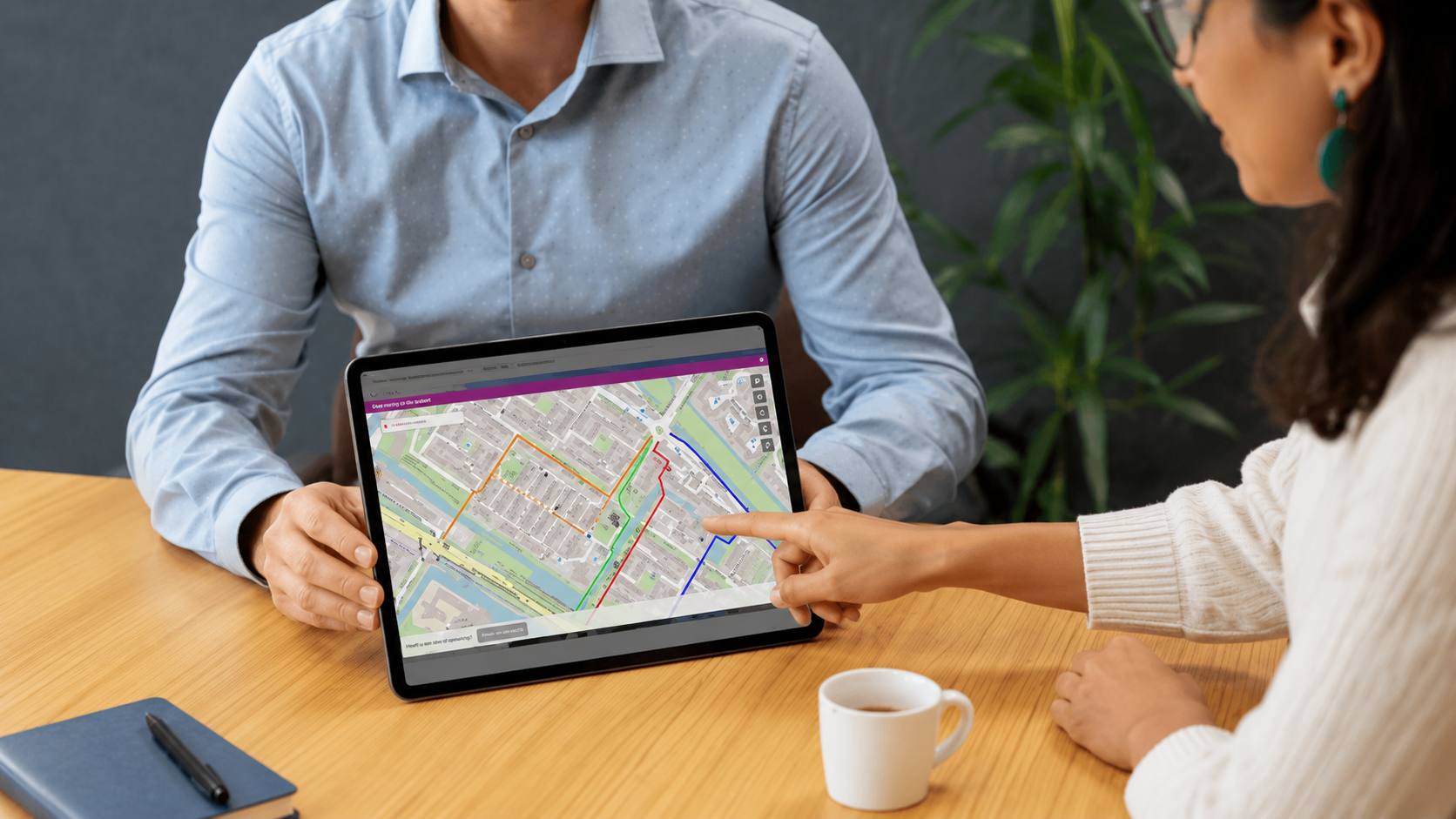
MapTalk connects participation directly to an interactive map. Residents can link their comments to specific locations, such as marking an unsafe crossing, identifying where more greenery is needed or responding to a proposed neighbourhood design.
This gives project teams more than a collection of separate comments. Location-based contributions reveal spatial patterns and make it easier to see where concerns, ideas or support are concentrated. Feedback can be organised, compared and used in further analysis and decision-making.
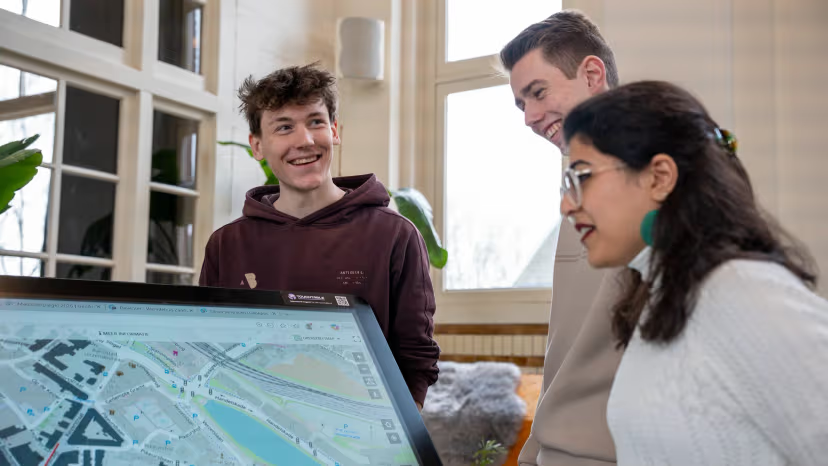
MapTalk can support different project phases, from an initial area assessment to the evaluation of detailed plans or alternative scenarios. The online platform can also be combined with workshops and the MapTalk table, allowing residents, specialists and decision-makers to explore the same spatial information together.
Would you like to involve reinsidents earlier and connect their feedback clearly to locations within your project area? MapTalk helps municipalities and project organisations create participation processes that are accessible, structured and transparent.