
Municipalities and other public organisations increasingly use surveys, community meetings and online participation platforms to involve residents in local decisions. Yet response rates sometimes remain low, and the same small group of people continues to participate.
This does not automatically mean that other residents are uninterested. Participation may require too much time, questions may feel repetitive or it may be unclear what happens to the responses. Participation fatigue therefore calls for a more accessible and transparent approach, rather than simply sending more invitations.
Participation Fatigue Is Not the Same as Disinterest
A resident can care deeply about the neighbourhood and still decide not to participate. They may have contributed to an earlier project without receiving any feedback, found a previous questionnaire too long or felt that the main decisions had already been made.
A low response rate therefore says more than whether residents are interested. It can also indicate that the process does not match their available time, expectations or previous experiences with public participation.
Why Do Residents Experience Participation Fatigue?
Different departments within the same municipality may ask residents for input at the same time. The organisation sees separate projects, but residents experience several requests from the same sender. Better coordination helps prevent the same neighbourhoods or groups from being approached repeatedly.
Uncertainty about residents’ influence can also cause people to disengage. When participants do not know what is still open for discussion or receive no update afterwards, their confidence in future participation processes may decline.
Make Participation Short and Manageable
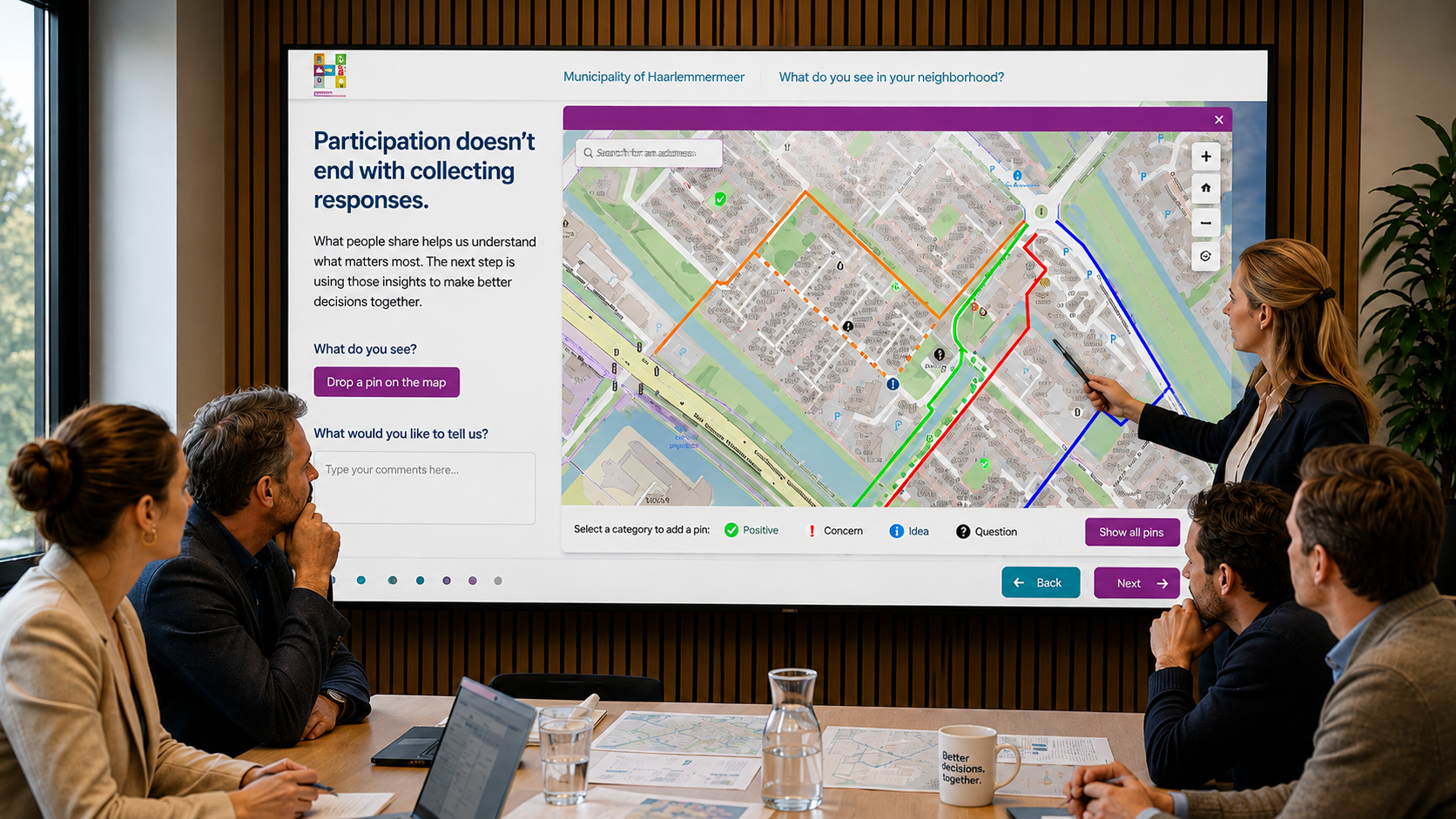
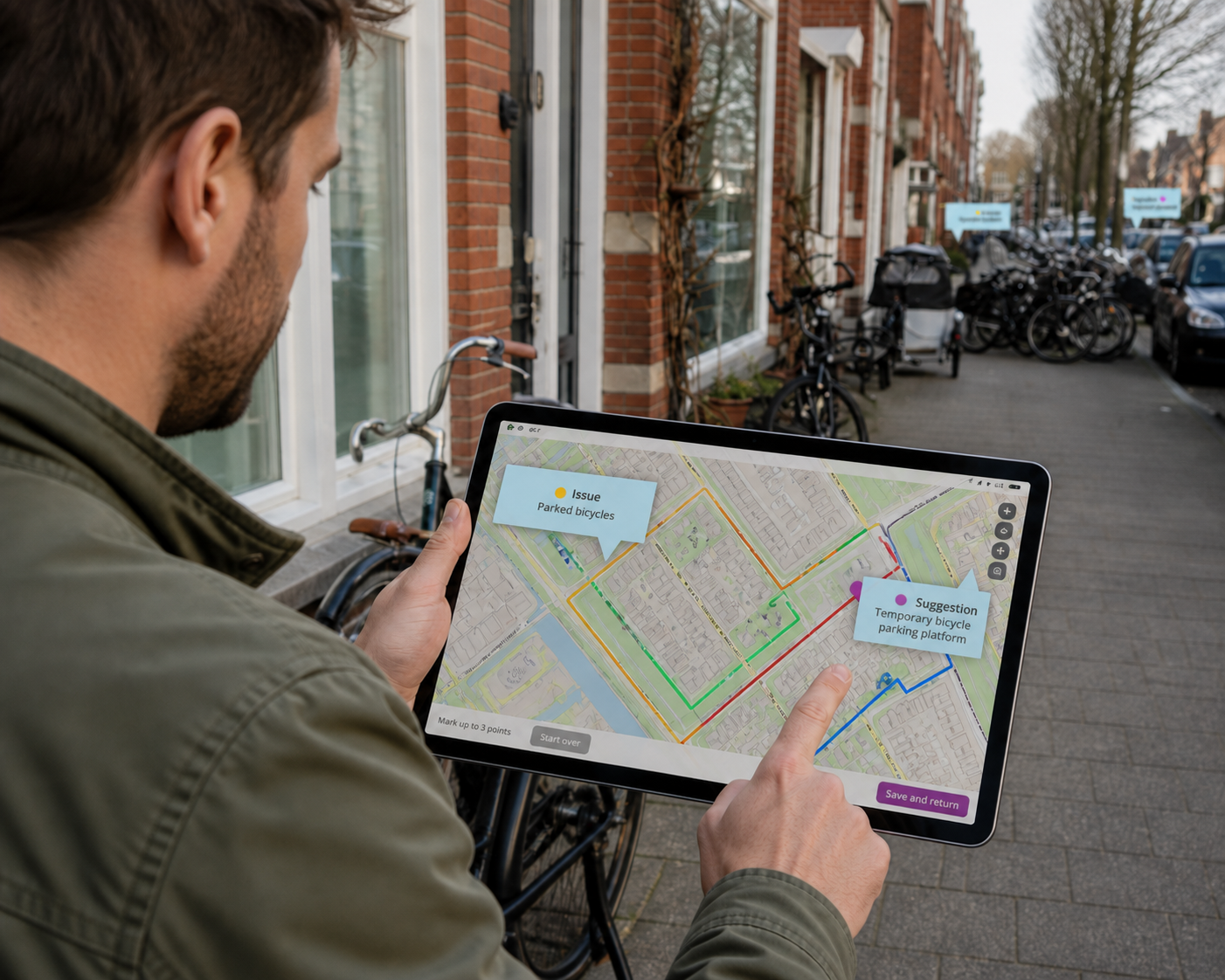
Not every project requires an extensive questionnaire. In some cases, one focused question can already provide valuable local knowledge. Residents could, for example, indicate unsafe traffic locations, maintenance issues or opportunities for more greenery directly on a map.
Only request information that is genuinely needed for the decision-making process. Every additional question increases the chance that someone will stop before completing the survey. Residents who want to contribute in greater detail can be invited to a follow-up discussion later.
Be Clear and Provide Feedback
Explain at the beginning which decision needs to be made, what residents can influence and which conditions have already been established. Clear boundaries create realistic expectations and help participants provide more useful responses.
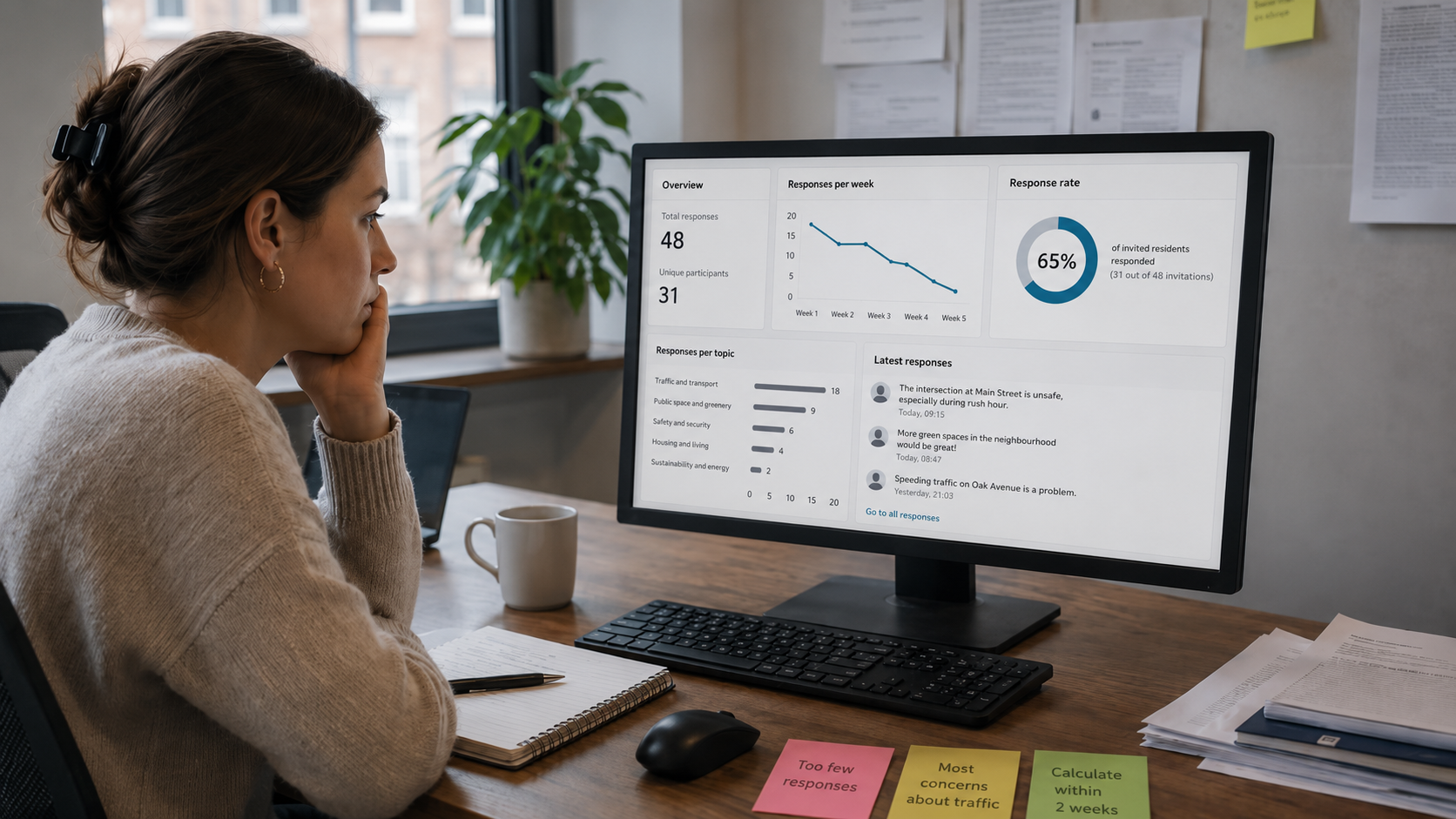
During the process, share how many responses have been received and which themes are being mentioned most frequently. Once a decision has been made, explain which suggestions were adopted, which were not and why. Residents do not need to see every suggestion accepted, but they should be able to understand how the final decision was reached.
Combine Online and In-Person Participation
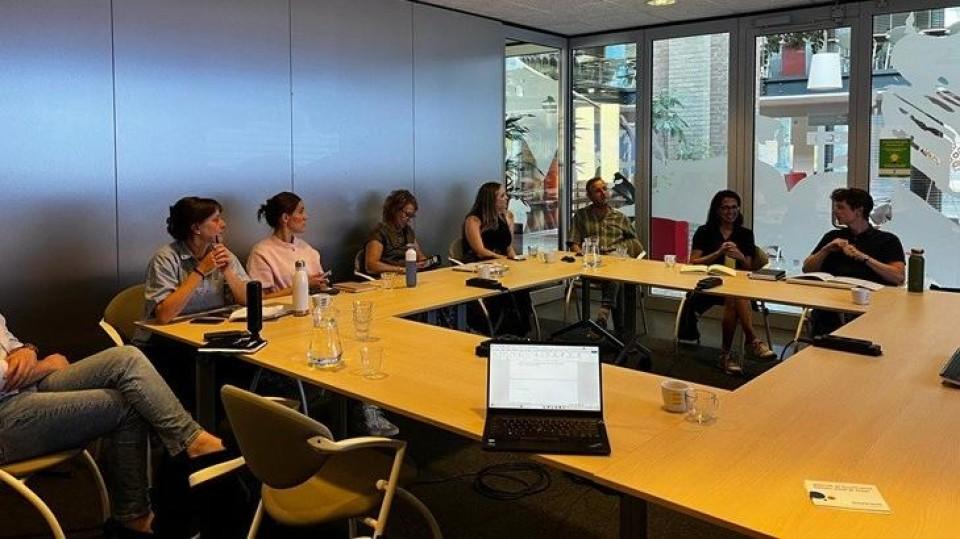
Not everyone wants to participate in the same way. Some residents prefer responding through an online map or questionnaire, while others would rather share their views during a community meeting or street conversation.
Combining online and in-person participation helps organisations reach different groups. Responses from every channel should be collected centrally so that valuable input is not scattered across reports, spreadsheets and separate notes.
How MapTalk Helps
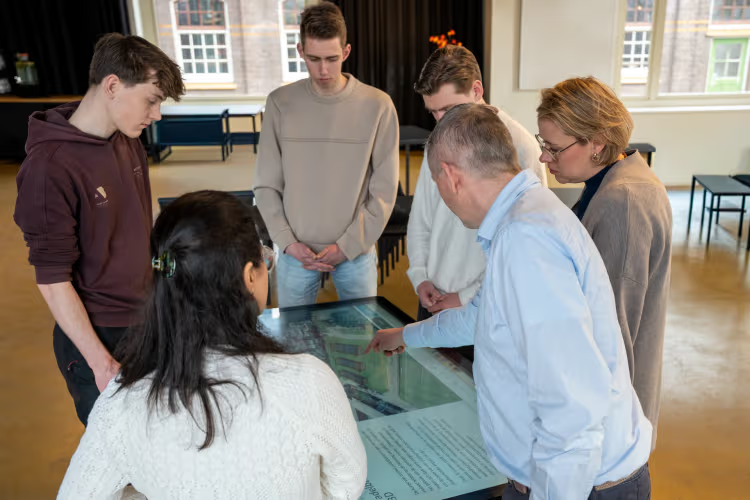
MapTalk enables organisations to combine questionnaires, interactive maps and in-person participation activities within one clear process. Residents can easily indicate where a problem occurs or where they see an opportunity.
Project teams collect responses centrally and use the results for analysis, decision-making and feedback. Technology cannot prevent participation fatigue on its own, but a well-organised platform can make participation shorter, clearer and more relevant.
Make Participation Relevant Again
Sending more reminders and invitations rarely solves participation fatigue. Effective participation begins with focused questions, clear expectations and visible feedback.
By treating residents’ time and contributions with care, organisations increase the likelihood that people will participate again when the next project begins.
Would you like to organise participation processes more clearly and collect responses in one central environment?