

You Can Build the Energy Project. But Can You Build Support for It?
Energy projects such as wind and solar parks often face resistance. Discover how you can create support through good participation.
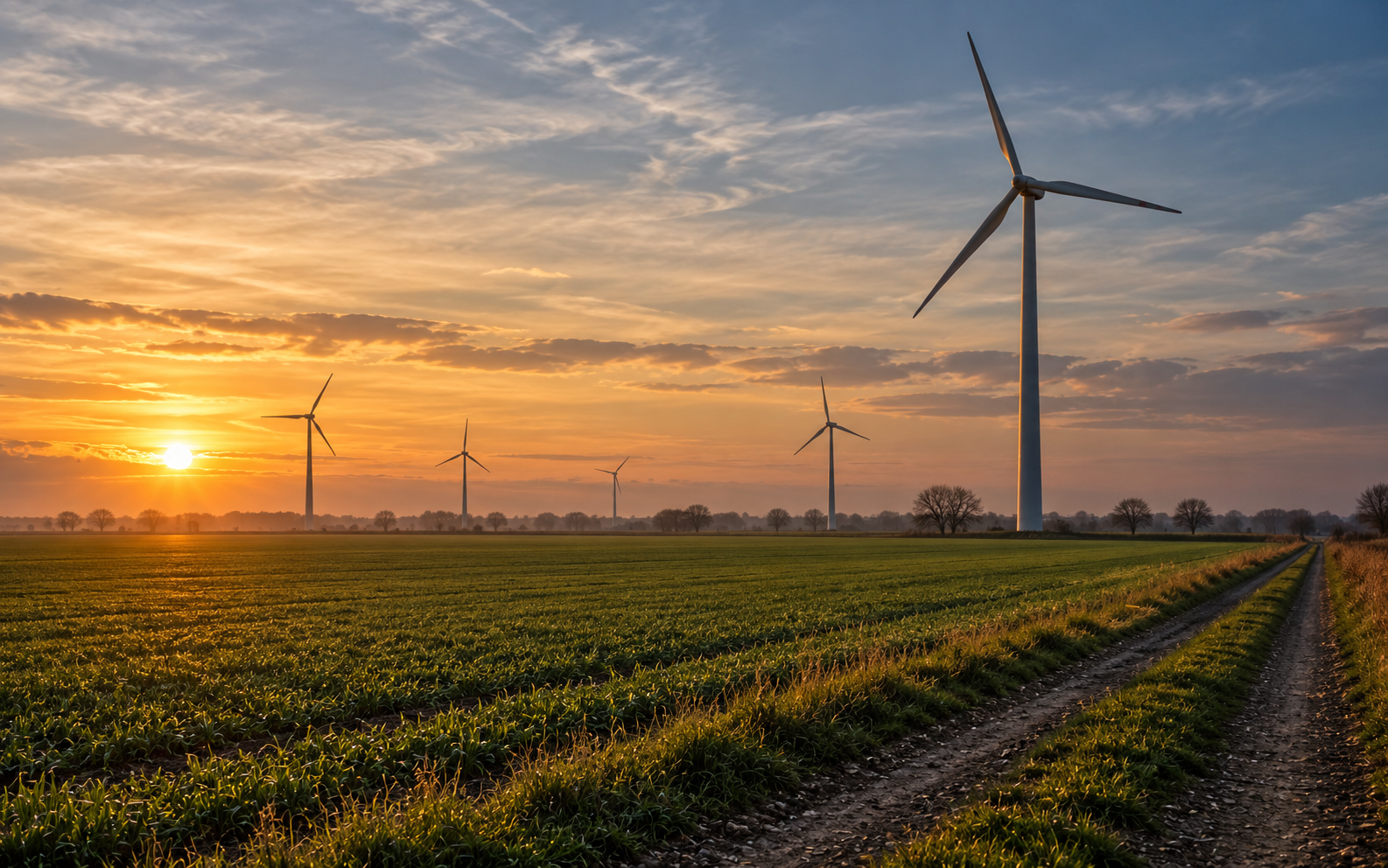
Wind farms and solar parks may be essential to the energy transition, but technical necessity does not automatically create public support.
For residents, an energy project is rarely just about renewable energy targets. It can mean a changing landscape, questions about their neighbourhood and uncertainty about decisions being made around them. When people only enter the conversation after the important choices have already been made, resistance can become much harder to address.
That is why participation should not begin when a project needs approval. It should begin while there is still something meaningful to discuss.
People resist less when they do not feel decisions are happening around them
A technically strong energy plan can still run into opposition when residents feel they were informed rather than involved.
Good participation creates room for questions, concerns and local knowledge early in the process. That does not mean every request can be incorporated, but it does mean people can understand what is being considered, where they can influence the project and what happens with their input. MapTalk is designed to involve residents and stakeholders from the beginning of spatial projects and keep that input connected to the planning process.
Support is much harder to build after trust has already been lost.
A map turns an abstract energy project into something people can actually discuss
Statements such as “the wind turbines will be placed here” or “this area is being considered for solar development” can remain abstract until residents can see what those decisions mean for the places they know.
Location-based participation gives that conversation a spatial context. Residents can react to specific areas, identify concerns and contribute knowledge about the environment around a proposed project.
Instead of collecting disconnected comments, project teams gain feedback connected to the locations those comments are actually about. That creates a much clearer conversation about where concerns arise, what matters locally and which issues deserve closer attention.
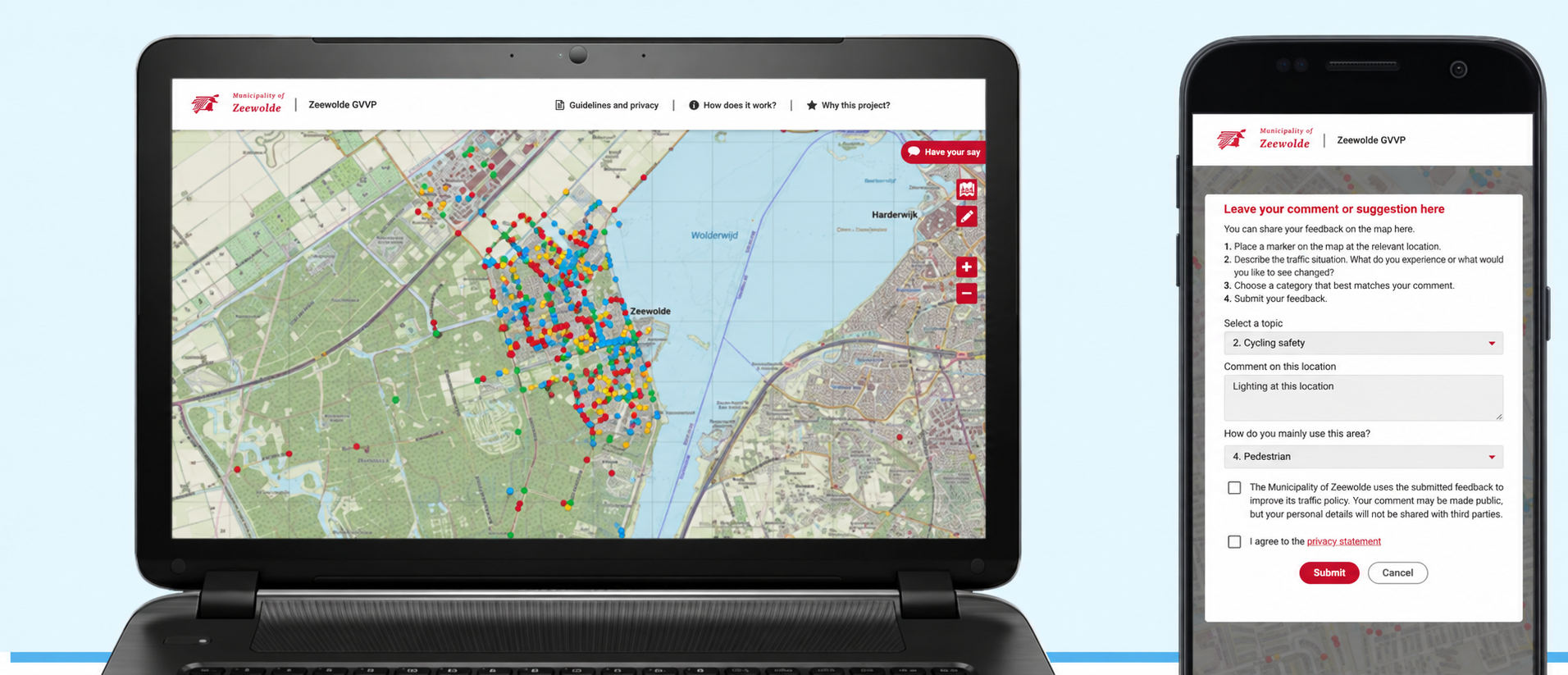
Participation is not about getting everyone to agree
Energy projects often involve competing interests. Residents, governments, developers and other stakeholders may not see every decision the same way.
Successful participation therefore does not mean eliminating disagreement. It means creating a process in which concerns can be raised, questions can be answered and plans can be discussed while there is still room to respond. The existing MapTalk project page emphasises that meaningful participation requires more than informing people; it also requires listening and being willing to consider input in the plans.
A transparent process cannot guarantee universal support. But it can make the reasoning behind decisions clearer and make stakeholder input more visible throughout the project.
The energy transition needs more than infrastructure. It needs trust.
Wind turbines and solar panels may deliver renewable energy, but the projects surrounding them still happen in places where people live, work and care about their surroundings.
That is why participation should not be treated as the final communication step. It is part of developing the project itself. With MapTalk, residents and stakeholders can be involved around the locations and choices that matter, helping project teams make concerns visible earlier and keep participation structured throughout the process.
You do not build public support by asking for it at the end. You build it by involving people while their input can still matter.
Planning an energy project that needs local involvement?
Discover how MapTalk helps project teams involve residents and stakeholders around spatial plans from the start.