
A proposed road change may look simple on a map. For someone who uses that route every day, it could change the school run, access to a business or the way they get home. Infrastructure projects affect places people depend on, which is why local input matters. Residents and stakeholders can point out practical details a project team may not see from a plan alone. Involving them early gives the team time to understand those concerns while choices are still open.
First, see the route through the eyes of the people who use it
A line on a map is part of someone’s daily routine. A crossing that appears convenient in a design may feel unsafe to a parent walking with children, while a change to a road may affect deliveries to a nearby business. Before finalising the proposal, ask how people use the area now. Which routes do they rely on? Where do they encounter problems? Which entrances or connections matter most?
Residents, businesses and other stakeholders may give different answers. Together, those perspectives reveal how a proposed change could affect daily life and highlight issues that deserve a closer look.
Then, ask while their answers can still make a difference
Few things are more frustrating than being asked for an opinion after the important decisions have already been made. Start by explaining what the project team is deciding, what is still open to change and where the limits are. Then give people focused questions they can answer from experience:
Where do you currently feel unsafe or experience delays?
Which route or access point do you rely on most?
What should the team consider during construction?
Which part of the proposed design needs a closer look?
Clear questions help stakeholders share useful observations. They also help the project team understand the reason behind a concern, rather than receiving only a general objection.
Make every concern visible on the map
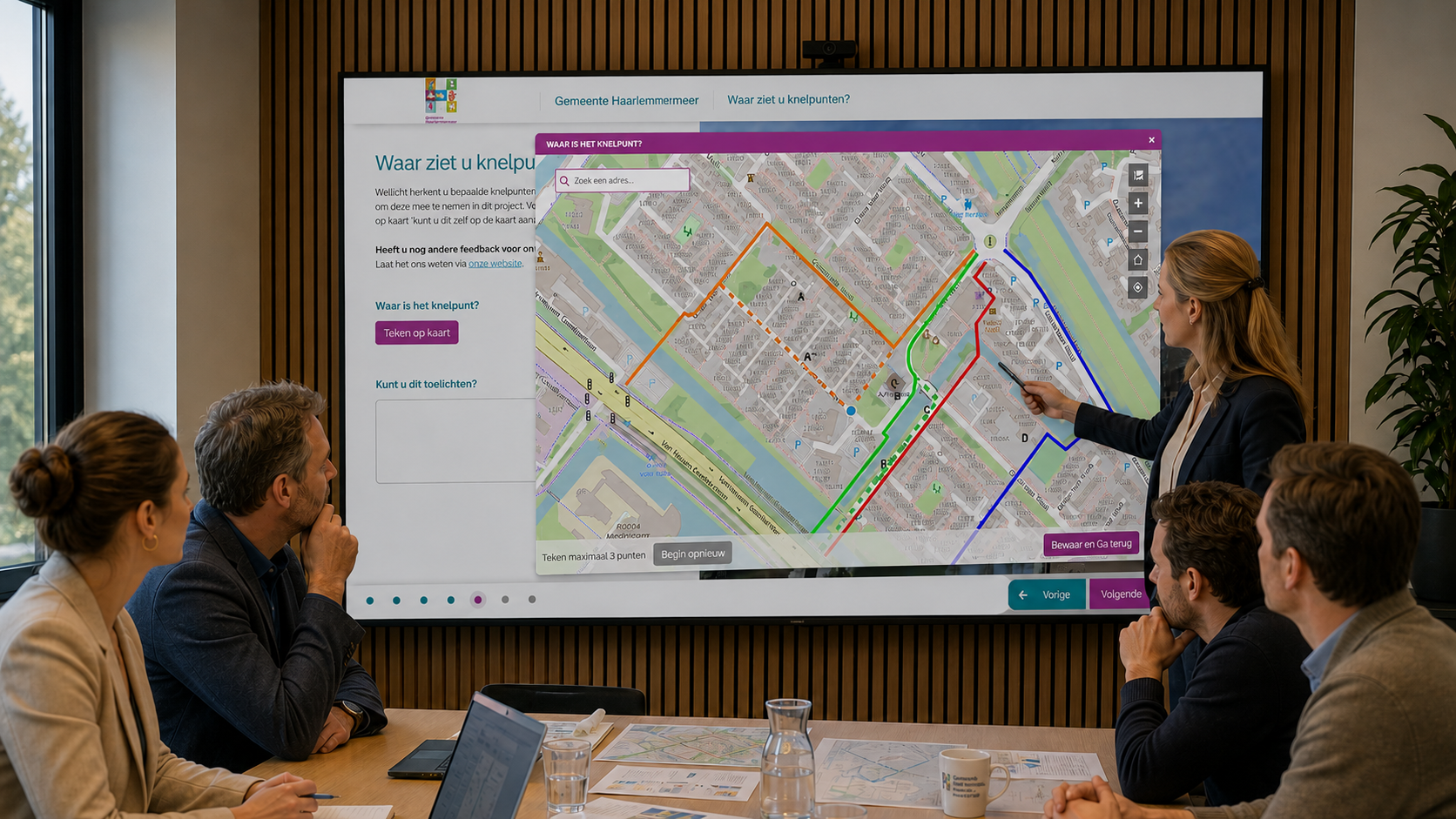
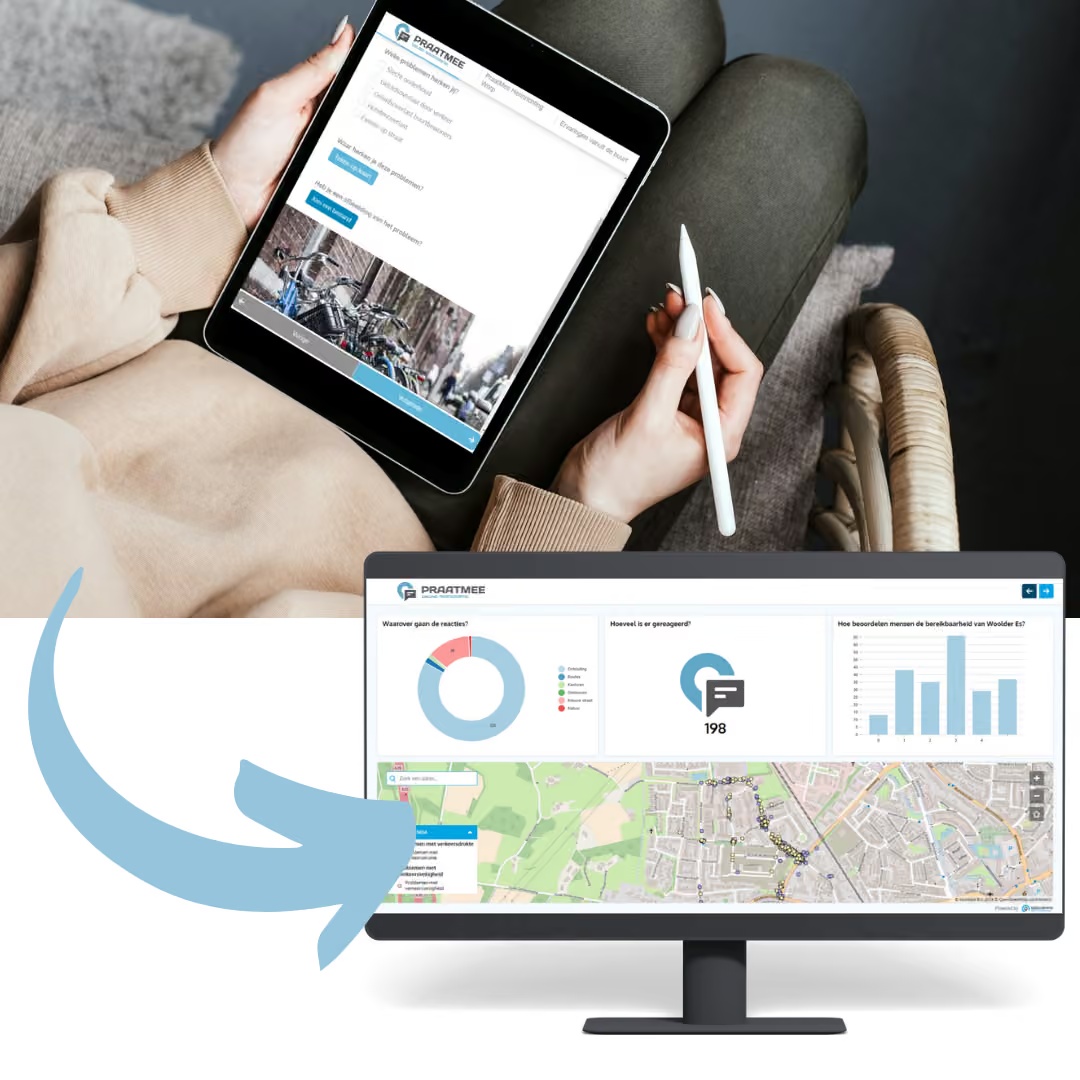
“This road is difficult to cross” is important feedback, but the project team needs to know exactly where the problem occurs and what happens there. An interactive map lets people connect their comments to specific crossings, routes or project areas. With MapTalk, residents and stakeholders can review a proposal and share location-specific concerns and ideas.
Just as importantly, ask people to explain each location they mark. A point on a map shows where to look, while their words explain why it matters and whom it affects. This makes the feedback easier to assess alongside the proposed design.
Finally, show people they were heard
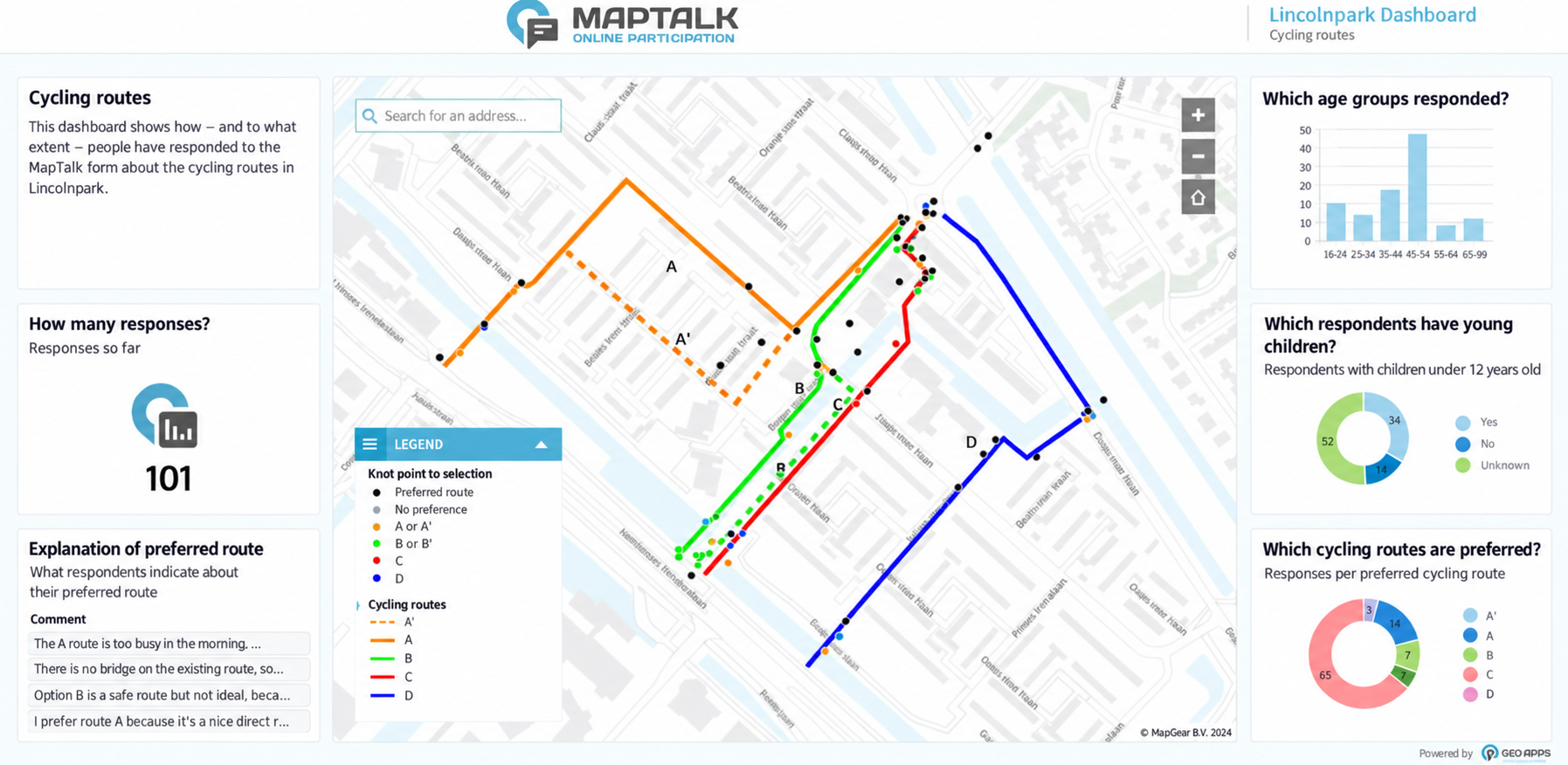
When someone takes the time to describe a concern, silence can make them wonder whether their input mattered. After reviewing the feedback, tell stakeholders what the team heard, what it will investigate and what will happen next. Show where input influenced the plan. If a suggestion cannot be included, explain why in plain language.
Not every concern will lead to a design change. Still, a clear response lets people follow how decisions were made and gives the project team a chance to check that it understood the issue correctly. Infrastructure planning has to account for technical requirements and the people who live and work around a project, so ask early, make feedback specific and keep the conversation going as the plan develops.
Planning an infrastructure project?
Explore MapTalk to see how you can gather location-specific input from residents and stakeholders.