
Housing projects are under increasing pressure to move faster. Municipalities, developers and project teams are expected to deliver homes, keep timelines on track and respond to growing demand. But speed does not remove the need for participation. Residents still want to understand what is changing, where they can influence the process and what happens with the feedback they provide.
That is where pressure can become friction. When participation is unclear, comments are scattered and residents cannot see how their input relates to the final decision, trust can disappear long before construction begins. The challenge is therefore not simply to organise participation, but to create a process that remains understandable and traceable from the first response to the final decision.
The pressure to build faster is real. So is the cost of losing trust.
When timelines are tight, participation can start to feel like another step between planning and implementation. But rushing through it can create exactly the delays project teams are trying to avoid.
Residents do not necessarily expect every suggestion to become part of the plan. They do expect to know what is still open for discussion, why their input is being requested and how decisions are ultimately made. When those expectations are not managed clearly, people can quickly feel that participation is only happening because it has to.
That perception matters. Once residents believe the outcome was already decided, every new consultation becomes harder to trust. Questions become objections, frustration grows and project teams may need to spend more time repairing confidence later than they would have spent building it properly at the beginning.
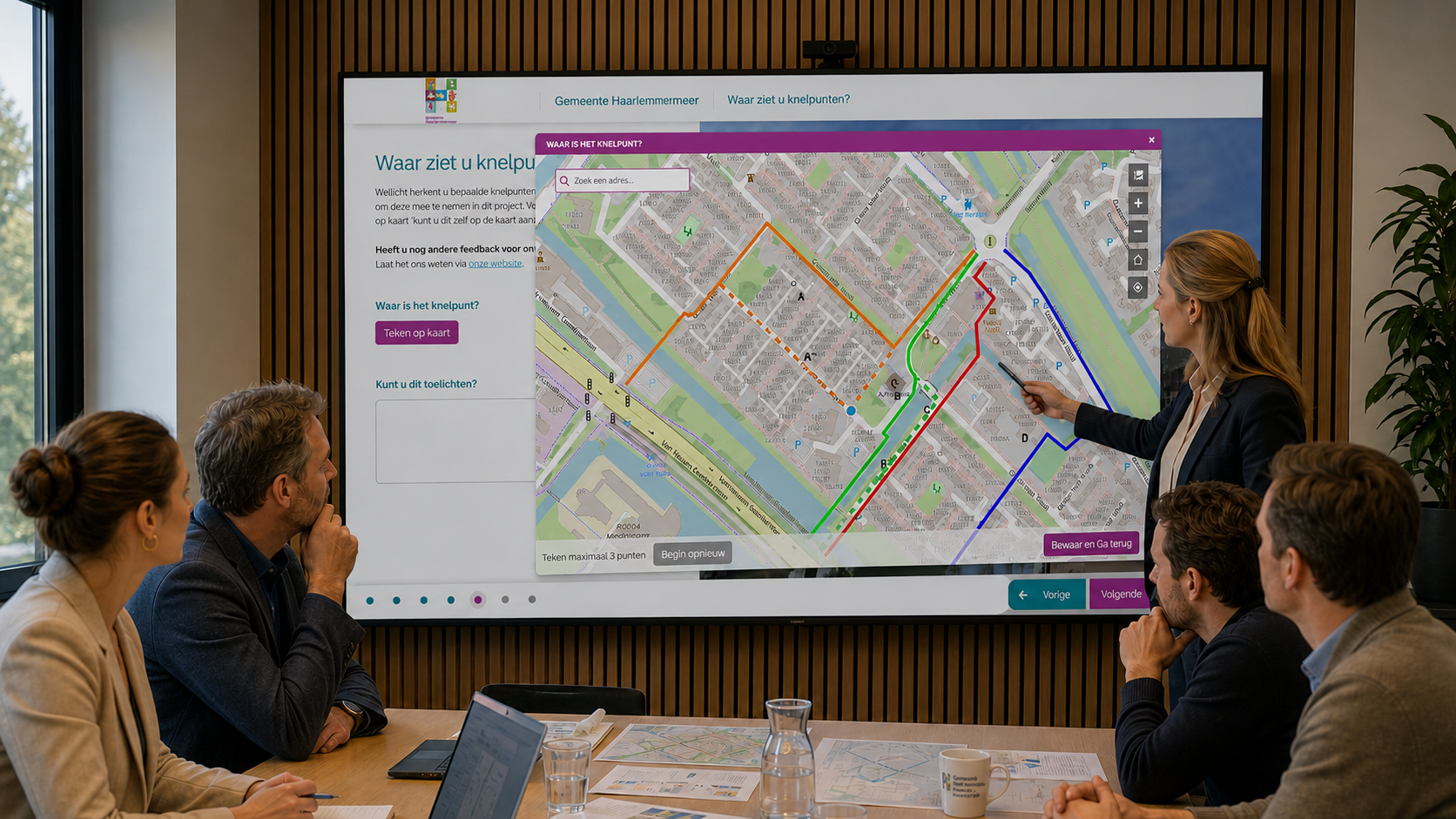
Structured participation helps protect that trust by making the process clearer from the start. With MapTalk, residents and stakeholders can respond to plans through maps and questionnaires while project teams keep feedback connected to the locations and issues it concerns.
If participation disappears into a report, trust disappears with it.
Collecting hundreds of responses does not automatically create meaningful participation. What matters is whether people can recognise how their input contributed to the process.
When feedback is spread across emails, meeting notes, spreadsheets and separate surveys, that connection becomes difficult to maintain. A resident raises concerns about traffic on one street, another comments on green space near a proposed building, and someone else questions building height. Months later, those comments may appear as three lines in a summary report with little connection to the places where they originated.
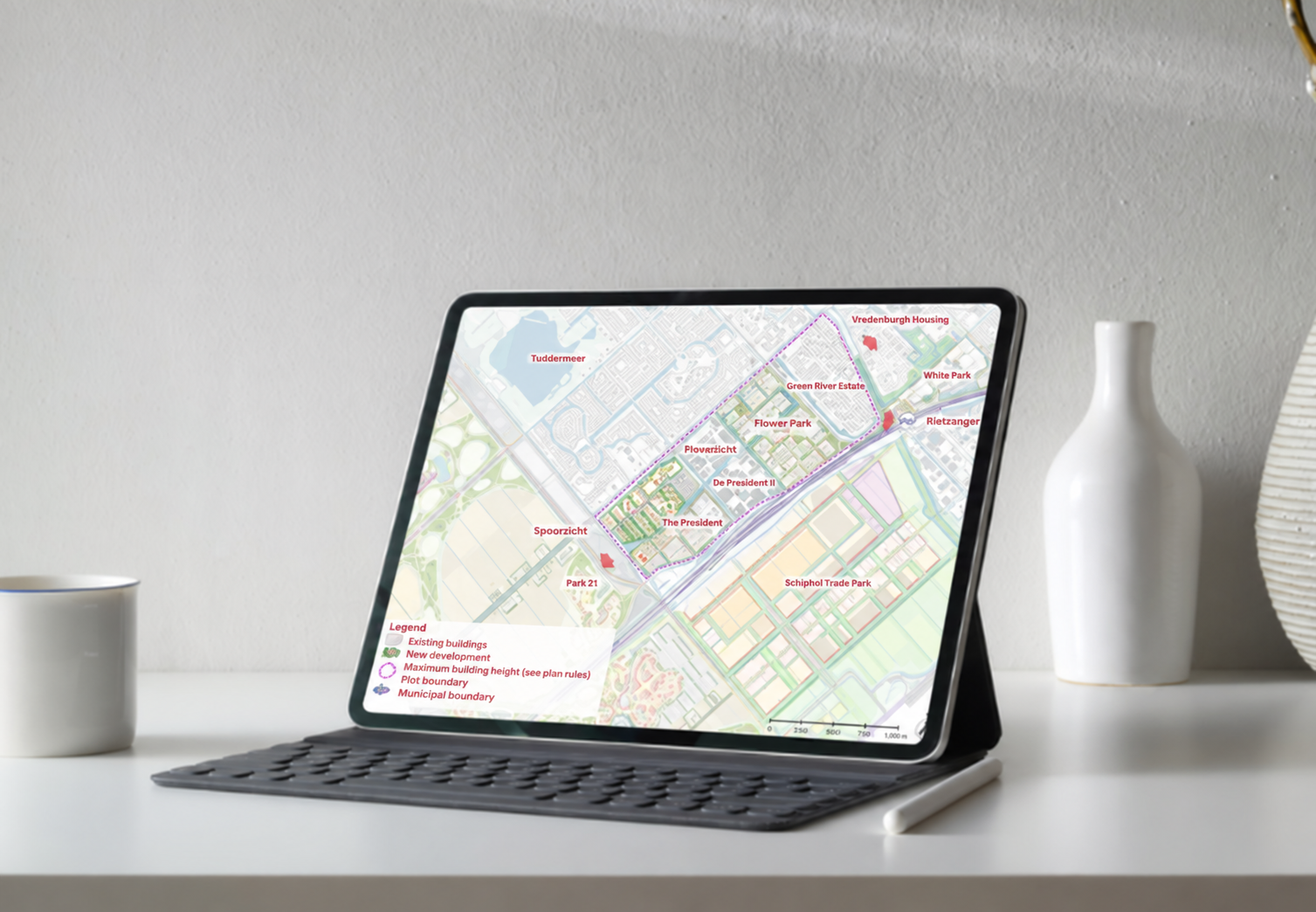
Location-based participation changes that. Feedback about traffic can remain connected to the junction where the problem occurs. Comments about green space can sit directly on the area residents want protected. Concerns about a building can remain tied to that building or plot.
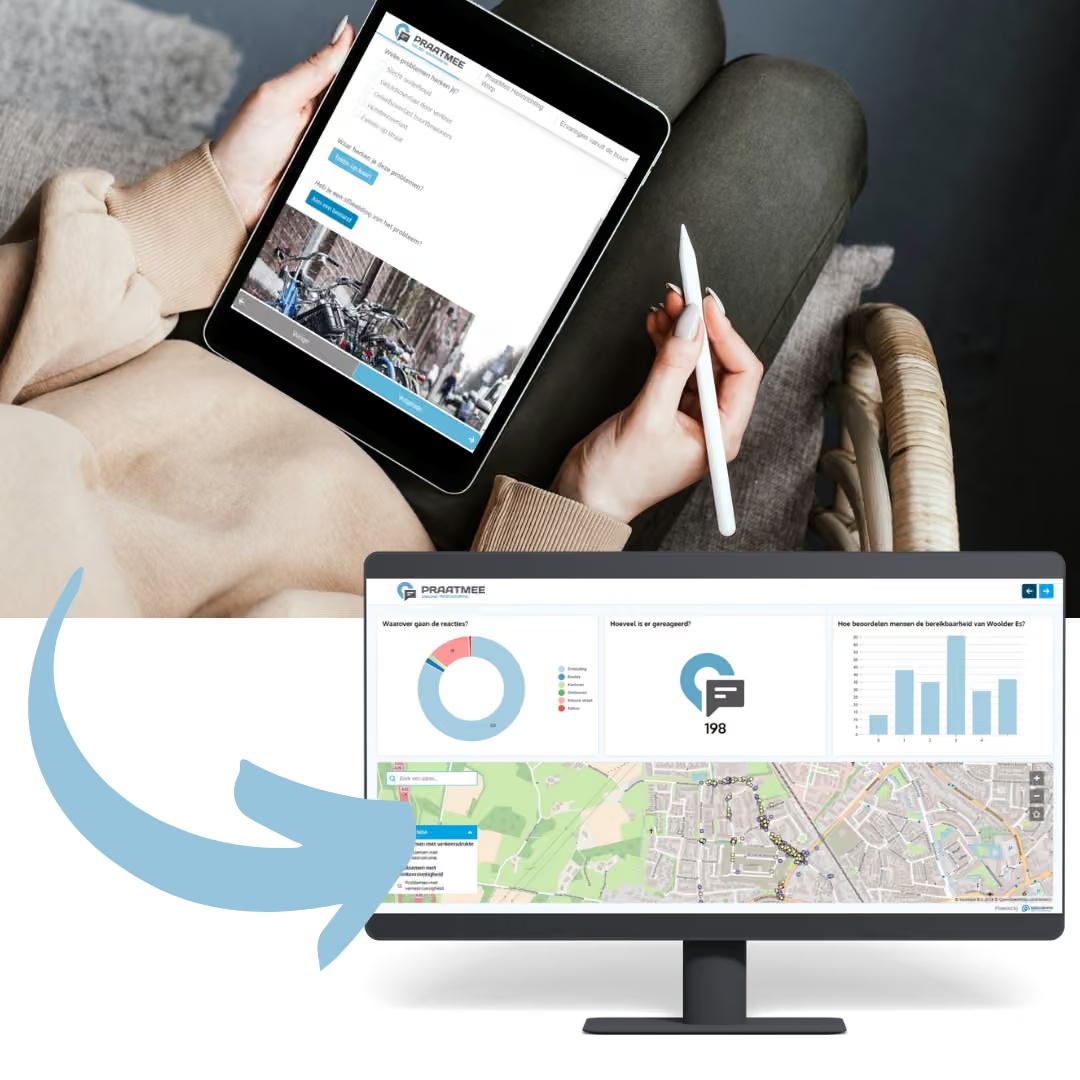
This makes recurring patterns easier to recognise and gives project teams a stronger basis for explaining what was heard. MapTalk brings maps, questionnaires and responses together so participation remains connected to place rather than becoming detached from the project once the consultation closes.
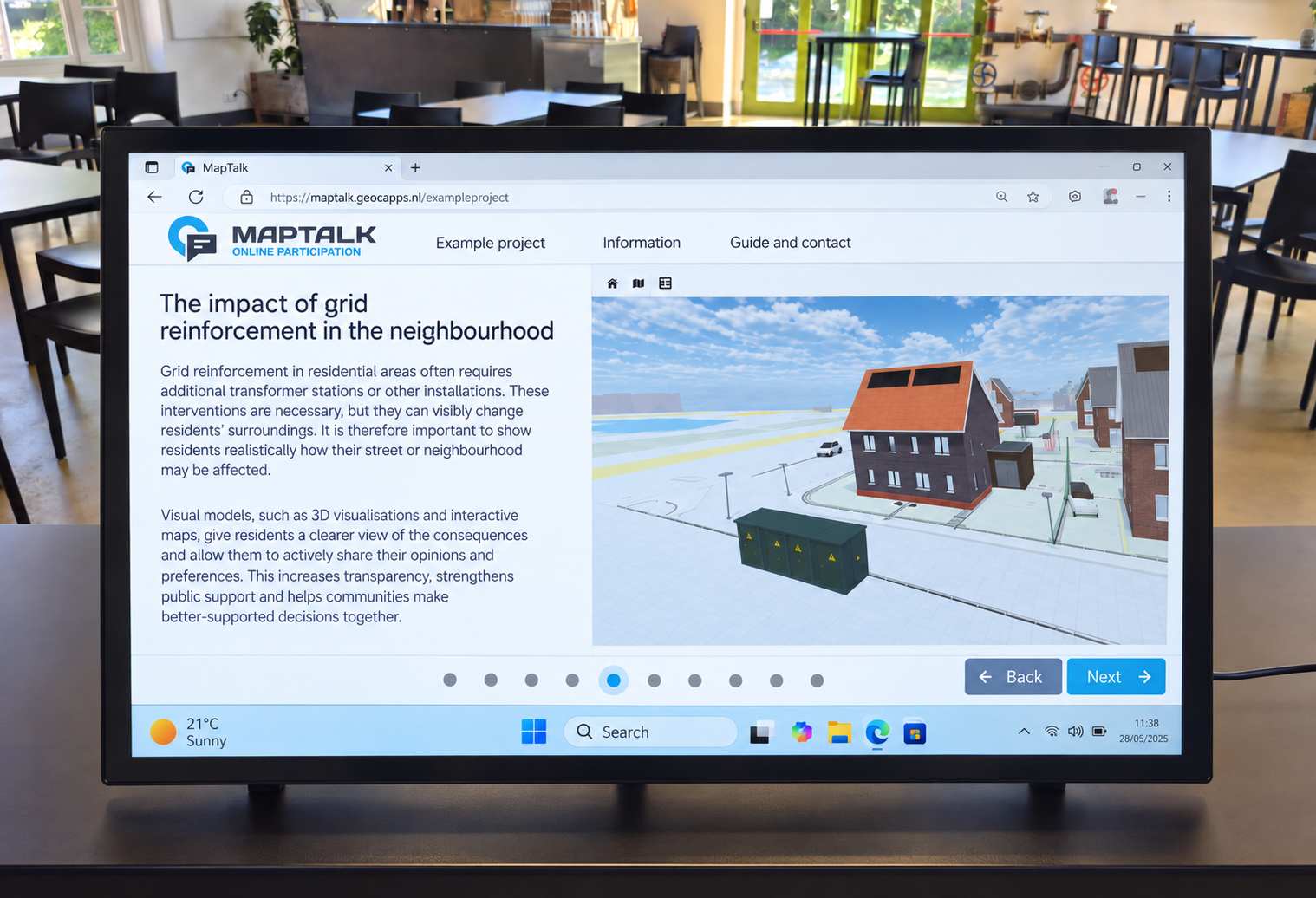
The most expensive objections are the ones you discover too late.
The earlier a concern becomes visible, the more room there is to respond to it. Once major design decisions have been made, contracts are progressing and resident communication has already started, even a legitimate concern becomes harder and more expensive to address.
Housing projects can involve concerns about parking, access, traffic, greenery, building height, public space, construction impact or changes to neighbourhood character. These issues do not disappear because they were not raised in the first meeting. They often return later when changing course is much more difficult.
Good participation helps surface those signals while meaningful choices are still open. It does not guarantee agreement, nor does it mean every request can be accommodated. What it does provide is a clearer picture of where resistance may develop and which concerns deserve further investigation before the project becomes harder to adjust.
That makes participation more than a communication exercise. It becomes an early-warning system for project risk.
A housing project can survive disagreement. It struggles to survive a process nobody understands.
Housing projects almost always involve competing interests. Residents may disagree with one another, project teams may face technical constraints and not every preference can become part of the final plan. Disagreement itself is not necessarily the problem.
The bigger risk is a process in which people cannot see how decisions were reached.
A strong participation record makes the path visible. It shows who participated, which issues were raised, where concerns were concentrated and how those signals were considered alongside other project requirements. That creates a stronger foundation for explaining decisions to residents, management, councils and other stakeholders.
MapTalk helps municipalities, developers and project organisations keep that information structured throughout the participation process. Interactive maps, questionnaires and dashboards can support both online and in-person participation while keeping feedback connected in one environment.
When that structure is in place, participation becomes easier to explain and easier to defend. Residents may still disagree with the final choice, but they are more likely to understand how the project arrived there.
Building faster should not mean explaining less. The greater the pressure on housing delivery becomes, the more important it is that people can see the path behind every decision.