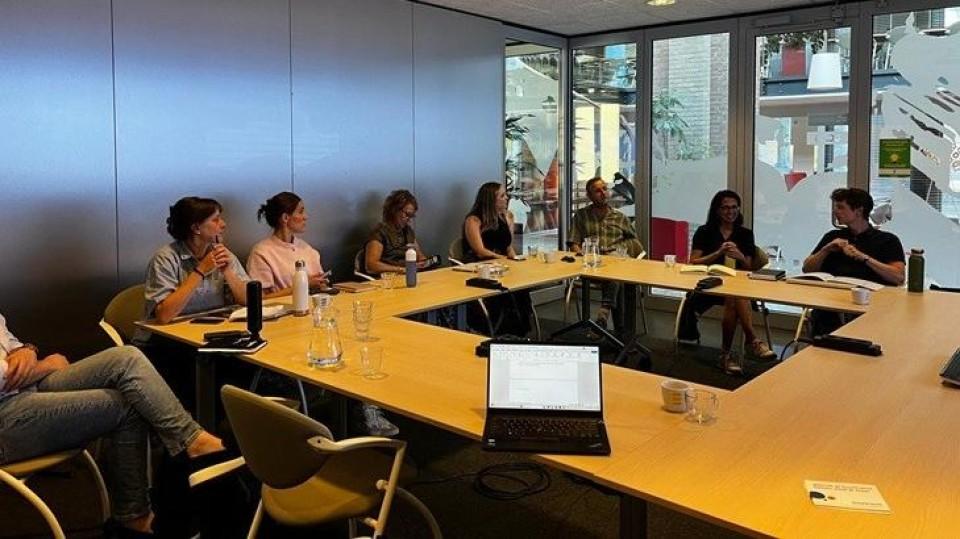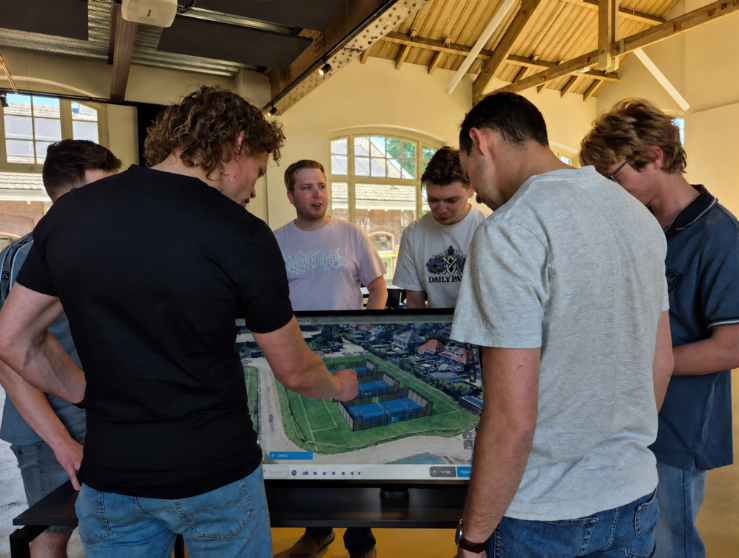


Your project plan is ready, your partners are involved and your budget is in place. But can you explain how residents and other stakeholders will contribute? When a funding call asks for public involvement, your application needs to show how you will organise participation and what role people will have.
Requirements vary between EU funding programmes and individual calls. Therefore, start by checking the conditions of the opportunity you are applying for. Where participation matters, a clearly documented process helps you explain your approach and support it with relevant information.
Don’t Let Valuable Conversations Get Lost in Scattered Documents
Residents, businesses and local organisations bring knowledge that a project team may otherwise miss. They can identify everyday problems, raise concerns about proposed changes and suggest practical improvements. However, when their input is scattered across emails, meeting notes and separate documents, it becomes harder to show how it contributed to the project.
Start recording participation from the beginning. Keep track of which groups you involve, what questions you ask and what responses you receive. This gives your team a clearer picture of the conversation and makes relevant information easier to find when preparing an application.
Moreover, organised records help you notice gaps. If a group affected by the project has not yet contributed, you can consider how to reach them while there is still time for their input to matter.
Make Sure Your Application Reflects What People Can Actually Influence
A statement such as “residents will be actively involved” leaves important questions unanswered. Who will participate? At what stage? Which decisions are still open? Without that detail, the reader has little basis for understanding what participation means in practice.
Instead, explain how involvement connects to the project. For example, residents might identify problems in a neighbourhood, respond to a proposed design or discuss different options. Make clear what they can influence and which constraints your team must work within.
Next, connect this approach to the requirements of the funding call. If you are describing future activities, explain what you plan to do. If participation has already begun, use relevant records to show what has happened. Clear expectations help both application reviewers and participants understand the process.
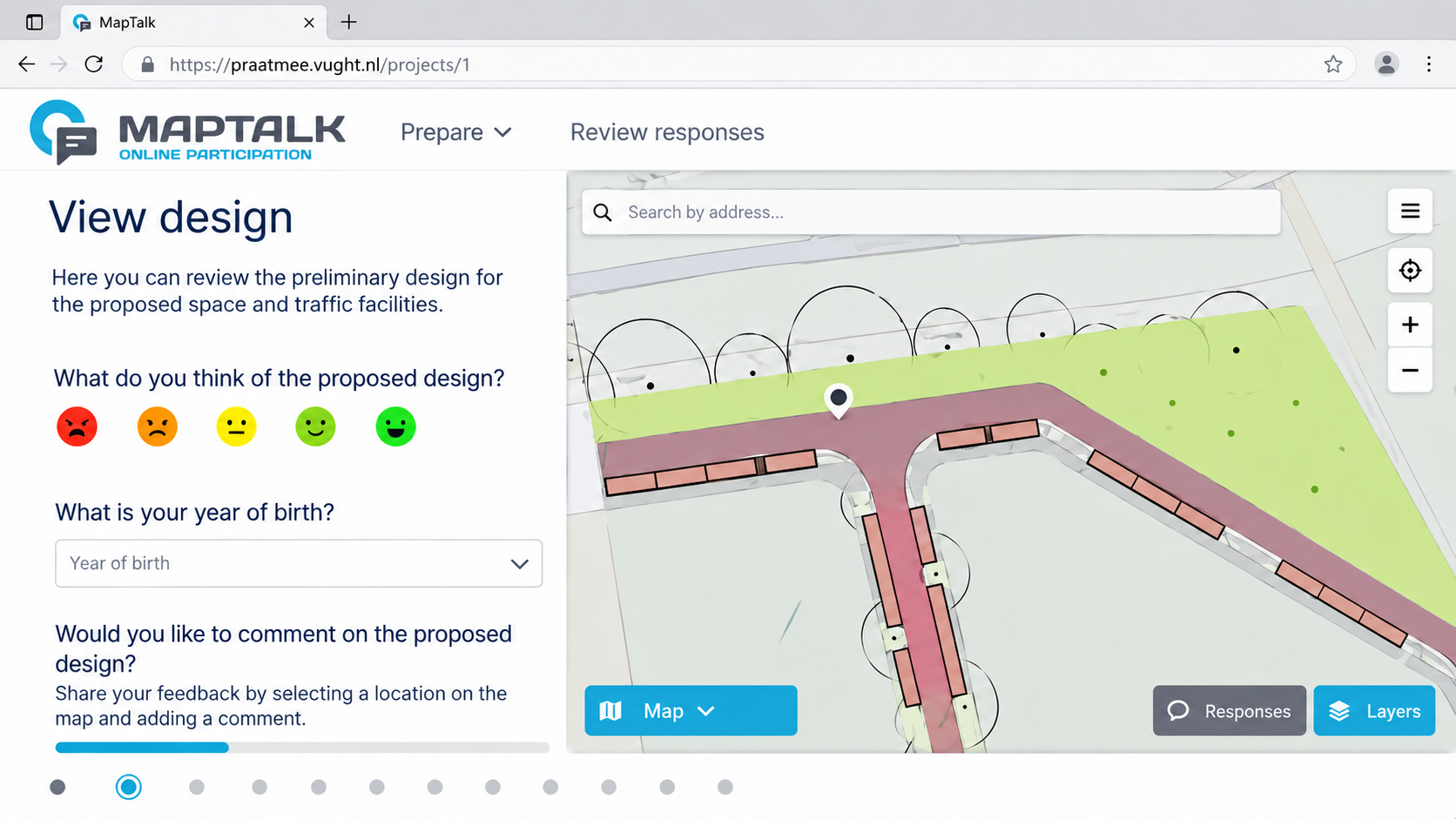
Before a plan moves forward, give residents a voice in the places that matter to them.
Show People How Their Feedback Shapes the Decisions
Collecting responses is only part of participation. The next step is explaining how your team considered them. A concern might lead to further research, an idea might inform a design change, or repeated feedback might highlight a priority that deserves more attention.
Therefore, connect relevant input to the decisions that follow. Record what was raised, how your team assessed it and what action was taken. This helps you explain the role participation played in developing the project.
Not every suggestion can be adopted. Where technical limits, budgets or competing needs affect a decision, explain the reasoning. Giving people that feedback helps them understand how their contribution was considered, even when the outcome differs from what they hoped for.
Build Your Documentation While the Conversation Is Happening
MapTalk helps you share project information and collect feedback in a structured way. For projects involving specific places, participants can link comments to locations on a map. As a result, your team can see where a question, concern or idea applies.
Use that input as a basis for your own analysis, responses and participation records. When preparing a funding application, select the information relevant to the call and present it in the required format. The programme’s conditions remain the starting point for deciding what you need to demonstrate.
Finally, document participation as it happens. Keeping information organised throughout the process makes it easier to explain who contributed, what they raised and how their input informed the project.
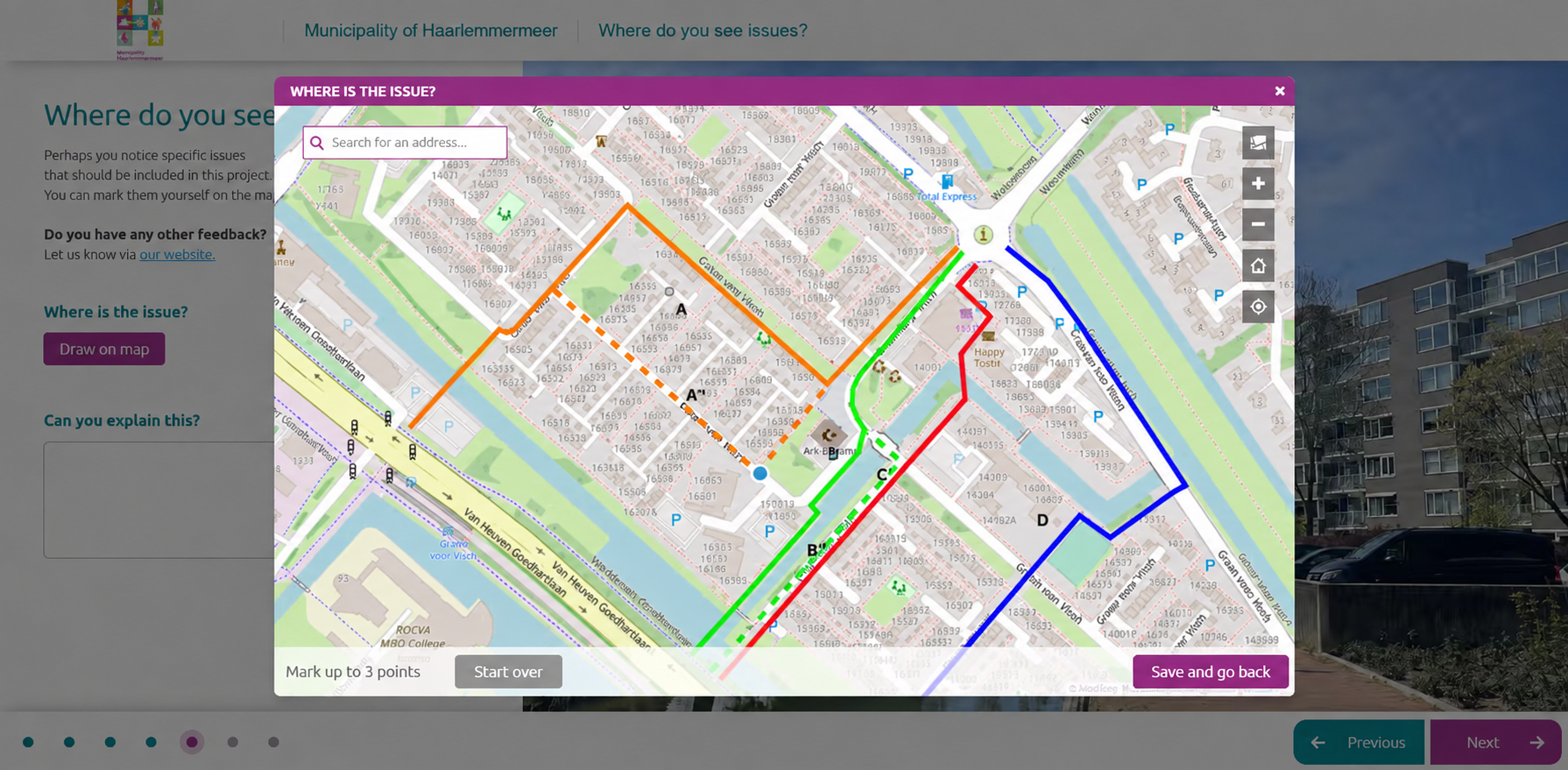
Every pin marks a concern worth hearing. Put local experiences on the map.
Can You Show How People Contribute to Your Project?